Budget Vegetables 101
Everyone has been told to eat more vegetables but most of us shy away from fresh vegetables and opt for frozen or canned vegetables year round.
Indeed the cost of vegetables has never been higher but however, there are a lot of highly nutritious fresh vegetables that beat packaged frozen vegetables in flavor, nutrition and cost year round.
While they do require some chopping, they are usually much tastier, offer much better nutrition and when you factor in the water loss of frozen vegetables they are also cheaper.
Core Vegetables
These core vegetables seem almost immune to seasonal fluctuations and should be added to any shopping list without fear of breaking the budget. They are also all high in fiber, giving additional satiating benefits for your appetite. They are not listed in any particular order.
Potatoes

The humble starchy potato, many people make the mistake of thinking that potatoes are nutritionally devoid of anything useful. Its white starchy fluffy appearance brings to mind empty calories, yet in the average medium potato you will find the following for daily requirements:
45% of your Vitamin B6
41% of your Iron
37% of your Copper
27% of your Vitamin C
23% of your Manganese, Phosphorous and Potassium
20% of your Vitamin B5
15% of your Magnesium and Zinc
13% of your Fiber
Some people have gone on an all potato diet, eating nothing but potatoes for months on end, potatoes are capable of sustaining human life for quite a long time, regardless I do not recommend trying this without doing some serious research on the topic first.
Cabbage

Cabbage is one of those vegetables you either love or hate.
It provides a very cheap way to bulk up a meal, provided you enjoy its flavor. One cup of chopped cabbage provides 56% of your Vitamin K and 36% of your Vitamin C. Add it to stir-fries or use it raw in salads or slaws. It has a very long shelf life so don't feel pressured to use it all at once!
Tomatoes

Delicious, sweet and tart, goes well with salt. A large tomato will provide 51% of your daily Vitamin A and 28% of your daily Vitamin C. These versatile fruits have a multitude of uses. You may be tempted to purchase it in can form but you will not only pay more for added water, but you will likely have to deal with some extra additives like cornstarch or citric acid.
Carrots

Fresh carrots remain cheap year round and provide an amazing source of Vitamin A, with a third of a medium carrot providing around 120% of your daily requirement. Avoid purchasing so-called "baby carrots" as they are just regular carrots that have been deformed using machines, greatly increasing their cost and lowering their shelf life for no good reason. There is almost never a good reason to buy them frozen as they cost much more and simply do not taste good when cooked from frozen.
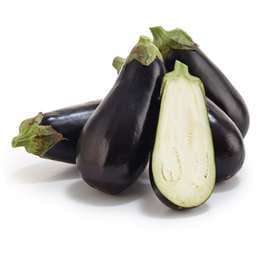
Eggplant
 The meaty eggplant may not seem like the most budget-friendly choice at first, however, by weight, it is one of the least expensive vegetables. Factor in that there is very little water inside an eggplant and you will soon see that there is more than meets the eye. One medium eggplant will provide you with around 50% of your daily Manganese and Copper, 35% of your Vitamin B5 and B6, 23% of your Vitamin B3 and 31% of your Folate.
 Onions

The traditional beginnings of many classic recipes call for the sauteing of Onions, they easily bulk up any recipe lowering the caloric density while adding their distinctly subtle sweet flavor. Buy in bulk as they keep for around a month, add to every meal to add flavor and lower the caloric density.
Beetroot

Due to their long cook time and lengthy preparation time beetroots appear rather intimidating and seem to have largely been replaced by the sweetened vinegared pickle variety that you purchase in a jar. However fresh beetroot is one of the cheapest and most versatile vegetables you can make. It makes a great side dish to any meal as it acts as a decent palette cleanser and once cooked it keeps in the fridge for quite some time before expiring.